
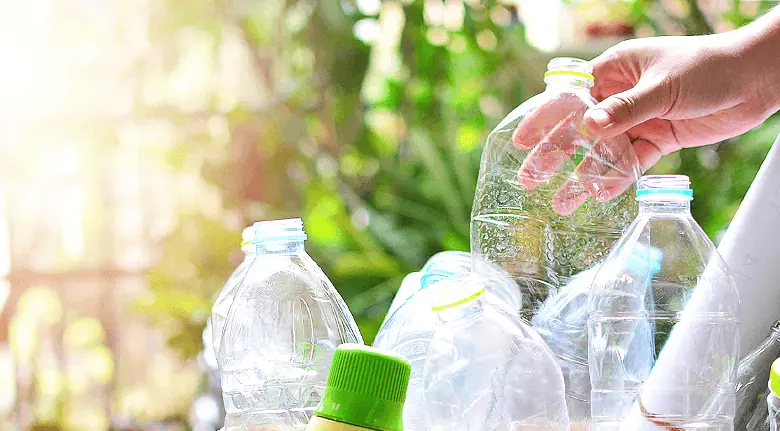
According to Next Move Strategy Consulting, the Biodegradable Plastic Market environmental concerns continue to rise, the need for sustainable alternatives to conventional plastics has never been more urgent. The biodegradable plastic market is at the forefront of this transformation, offering eco-friendly solutions that break down naturally in the environment without leaving harmful residues. With growing awareness of the environmental impact of plastic waste, especially single-use plastics, biodegradable plastics are rapidly gaining traction across industries such as packaging, agriculture, automotive, and consumer goods.
The global Biodegradable Plastic Market is expected to grow at a compound annual growth rate (CAGR) of 24.2% from 2023 to 2030, reaching an estimated value of USD 49.93 billion by 2030. This market growth is fueled by the increasing environmental awareness among consumers, the growing regulatory pressure on plastic waste management, and advancements in biodegradable plastic technology.
Click Here for Your FREE Sample!
Key Drivers of the Biodegradable Plastic Market
- Environmental Awareness and Regulatory Pressure
One of the primary drivers behind the growth of the biodegradable plastic market is the increasing awareness of the environmental impact of plastic waste. Plastic pollution is one of the most significant global environmental challenges, with millions of tons of plastic waste ending up in landfills and oceans each year. Biodegradable plastics, which decompose more quickly and safely, present a promising solution to reduce plastic waste and minimize environmental harm.
- Growing Demand for Sustainable Packaging
Packaging is one of the largest applications of plastic materials, and it is also a major contributor to plastic waste. Consumers are increasingly seeking eco-friendly alternatives to traditional plastic packaging, and companies are responding by adopting biodegradable plastics for packaging applications.
Click Here for Your FREE Sample!
- Technological Advancements in Biodegradable Plastics
Advancements in biodegradable plastic technology are playing a crucial role in the market’s growth. Researchers and manufacturers are continuously working to improve the properties of biodegradable plastics, making them more durable, versatile, and cost-effective for a wider range of applications.
Some of the notable technological innovations include:
- Improved production processes: Advances in manufacturing techniques have made it easier and more cost-effective to produce biodegradable plastics at scale. This has made biodegradable alternatives more accessible to companies across industries.
- Enhanced material properties: Biodegradable plastics are being engineered to have improved mechanical strength, thermal stability, and resistance to moisture, allowing them to perform as effectively as traditional plastics in a variety of applications.
- Biodegradability optimization: Research is ongoing to optimize the biodegradation process of biodegradable plastics, ensuring that they break down efficiently without leaving harmful residues or microplastics behind.
- Corporate Social Responsibility and Brand Image
As environmental concerns take center stage, companies are increasingly recognizing the importance of sustainability in their business practices. Adopting biodegradable plastics is one way for companies to demonstrate their commitment to environmental responsibility and enhance their brand image.
- Rising Popularity of Biodegradable Plastics in Agriculture
Market Segmentation
The biodegradable plastic market can be segmented based on several factors, including product type, application, and region.
By Product Type
- Polylactic Acid (PLA): PLA is one of the most widely used biodegradable plastics, derived from renewable resources like corn starch or sugarcane. PLA is used in packaging, food containers, disposable cutlery, and more. It is known for its biodegradability and compostability.
- Polyhydroxyalkanoates (PHA): PHA is a family of biodegradable plastics produced by bacteria through the fermentation of plant sugars. PHA is used in packaging, agricultural products, medical devices, and more. It is highly biodegradable and can be produced from a variety of feedstocks, including agricultural waste.
- Starch-based Plastics: Starch-based plastics are made from natural starch sources such as corn, potatoes, or tapioca. These plastics are often used in food packaging, disposable items, and agricultural products. Starch-based plastics are fully biodegradable and offer a renewable alternative to conventional plastics.
By Application
- Packaging: Packaging is the largest application segment for biodegradable plastics, driven by the growing demand for sustainable packaging solutions. Biodegradable plastics are used for food and beverage packaging, retail packaging, and protective packaging.
- Agriculture: Biodegradable plastics are used in agriculture for applications such as mulch films, plant pots, and seedling trays. These plastics help reduce plastic waste and improve sustainability in farming practices.
- Consumer Goods: In the consumer goods industry, biodegradable plastics are used to manufacture a wide range of products, including cutlery, bags, straws, and personal care items. These products help reduce single-use plastic waste and offer consumers more sustainable choices.
Regional Market Analysis
The global biodegradable plastic market is growing rapidly across all regions, with North America, Europe, and Asia-Pacific leading the charge. The market is also expanding in Latin America, the Middle East, and Africa as sustainability initiatives gain traction worldwide.
- North America: The North American market is driven by strong environmental regulations, government policies promoting sustainability, and increasing consumer demand for eco-friendly products. The U.S. and Canada are major contributors to the growth of the biodegradable plastic market in this region.
- Europe: Europe is a key market for biodegradable plastics, with countries such as Germany, France, and the U.K. leading the way in terms of adoption and innovation. The European Union’s regulations on plastic waste management are also driving the demand for biodegradable plastics.
- Asia-Pacific: The Asia-Pacific region is experiencing rapid growth in the biodegradable plastic market, driven by the rising environmental awareness in countries like China, Japan, and India. Increasing industrialization and consumer demand for sustainable products are contributing to the market’s expansion.
- Latin America, Middle East, and Africa: While still emerging, the biodegradable plastic market in these regions is expected to grow steadily due to increasing regulatory support and rising awareness about the environmental impact of plastic waste.
Challenges Facing the Biodegradable Plastic Market
Despite the numerous benefits of biodegradable plastics, the market faces several challenges:
- Cost of Production: Biodegradable plastics are often more expensive to produce than traditional plastics, which can limit their widespread adoption. However, as technology advances and economies of scale are achieved, the cost of production is expected to decrease.
- Limited Infrastructure: The lack of widespread infrastructure for the disposal and recycling of biodegradable plastics can hinder their adoption, particularly in regions where composting facilities are limited.
- Performance and Durability: While biodegradable plastics have improved in terms of performance, some materials still struggle to match the strength, durability, and functionality of conventional plastics in certain applications.
- Public Perception: Although biodegradable plastics are marketed as environmentally friendly, there is still some confusion among consumers regarding their proper disposal and biodegradability. Clear communication and education are needed to address these concerns.
Conclusion
The biodegradable plastic market is poised for significant growth in the coming years as consumers, businesses, and governments increasingly prioritize sustainability. With advancements in technology, growing environmental awareness, and regulatory support, biodegradable plastics are becoming a viable alternative to conventional plastics across a wide range of industries. However, challenges such as production costs, infrastructure limitations, and consumer education must be addressed to fully realize the potential of biodegradable plastics in creating a more sustainable future.
Source: PR News Releaser
Leave a Reply